What is Product Labeling?
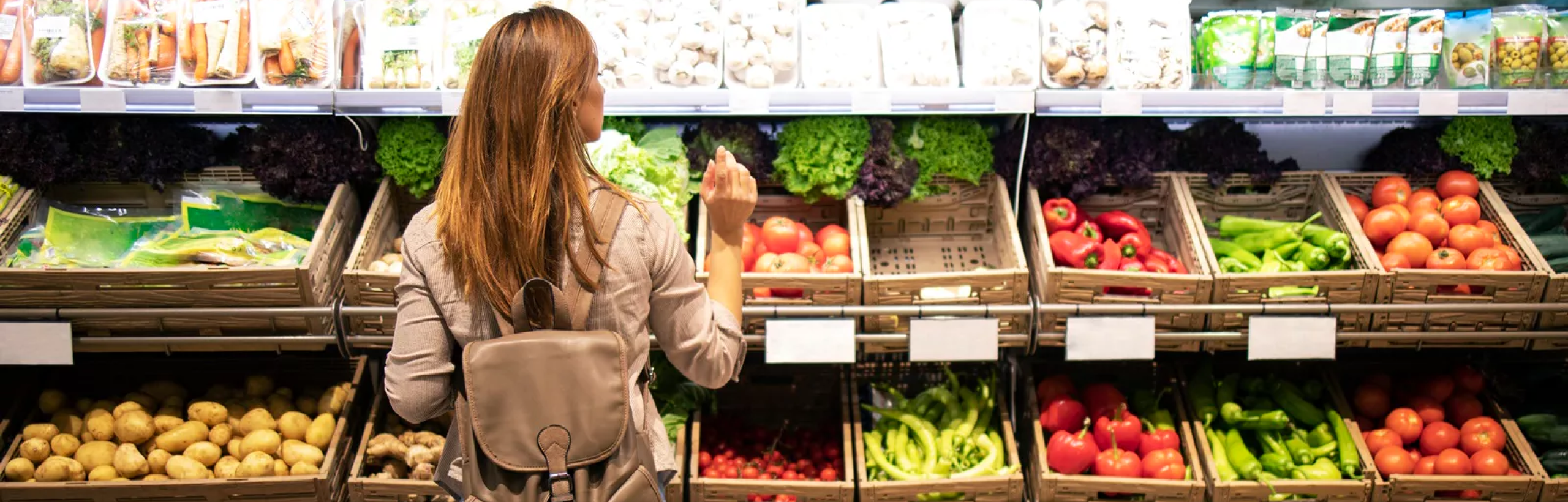
The product labels show important details which customers must know.
- Industry
- Retail
- Product
- ESL & IoT
 SOLUM Newton
Product labeling is the act of writing and displaying information about a product's packaging. The product labels show important details which customers must know.
However, some confuse labeling from the packaging.
Product packaging covers the brand colors, logo, material, and shape of the package, while labeling is focused on the product's informational or written part.
To explain further, here are the seven essential parts of a product label.
Required Details
There are product details that are legally required to show on the label. In some cases, these details are even required to be placed on a label's specific area. The details depend on the type of the product:
- Food and Drug Administration – ingredient lists on all food labels.
- Consumer Safety Protection Commission – choking hazard warnings on toys with small parts. They also require suffocation warnings on products with plastic or latex.
- There are also many areas that require bottle and can redemption information on returnable containers.
Companies may face fines and lawsuits if they fail to include these legally required details on the label.
Brand Name
The brand name is always prominently displayed on the labels so customers can easily recognize the company. When customers become more aware and interested in your company, it creates customer loyalty, leading to more sales.
Product Name
Other than the brand name, the product name must also be prominently displayed on the label, describing the product inside the packing. Often, the product name comes with a brief description to communicate the product to the customer.
Series Name
When a product is part of a series, the series name must be indicated on the label. It's not required to be prominently shown like the brand or the product names, but it should be visible enough for customers to identify.
Packaging Size
In some areas, the packaging size is required detail that must be shown on the label. Indicating the amount lets customers know how much they’re buying is exactly, which builds trust.
Displaying the packaging size depends on the type of product. For foods and beverages, weight and volume are frequently shown. For clothing and jewelry, measuring the unit is often used.
Company Contact Information
Providing company contact information makes it easier for government agencies to contact the company if there's an issue with the product. Furthermore, it gives customers a way to reach the company for feedback such as complaints or suggestions to improve the product.
Barcode
A barcode represents data in a visual, machine-readable form. Major warehouses and retailers use barcodes to track their products, especially in high-volume stores.
SOLUM Electronic Shelf Labels
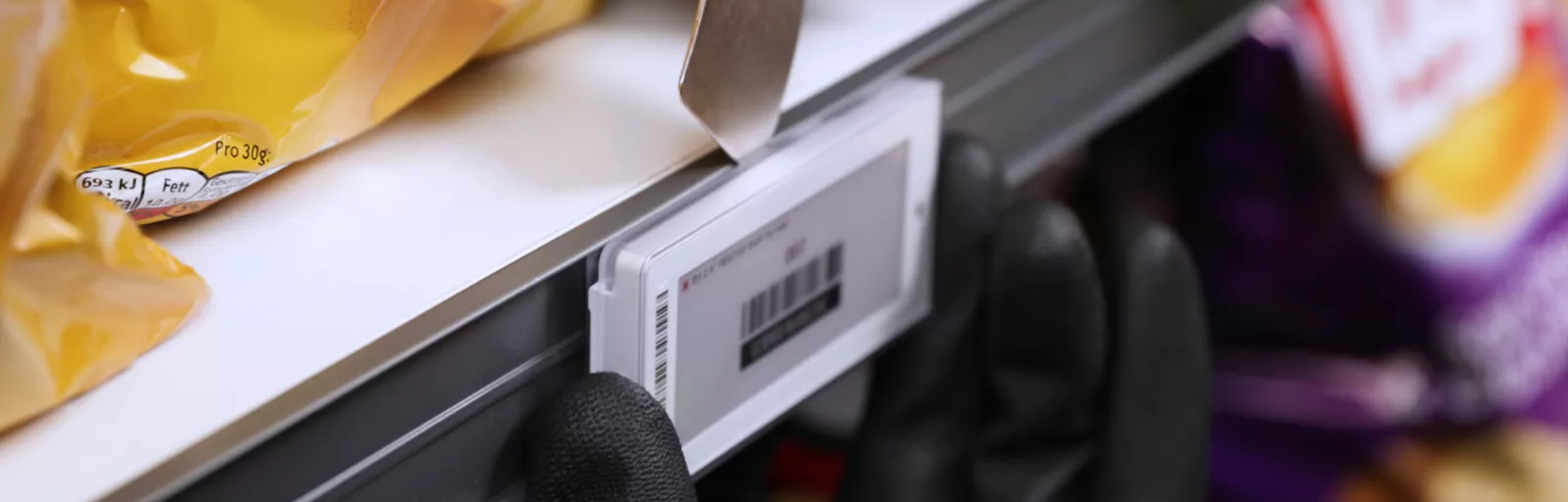
Today, there is a more efficient way of showing product details. Rather than looking at those small-lettered paper product labels—which are hard to read—there is an alternative tool that transforms how retail stores can present their products to customers.
Introducing: SOLUM Electronic Shelf Labels
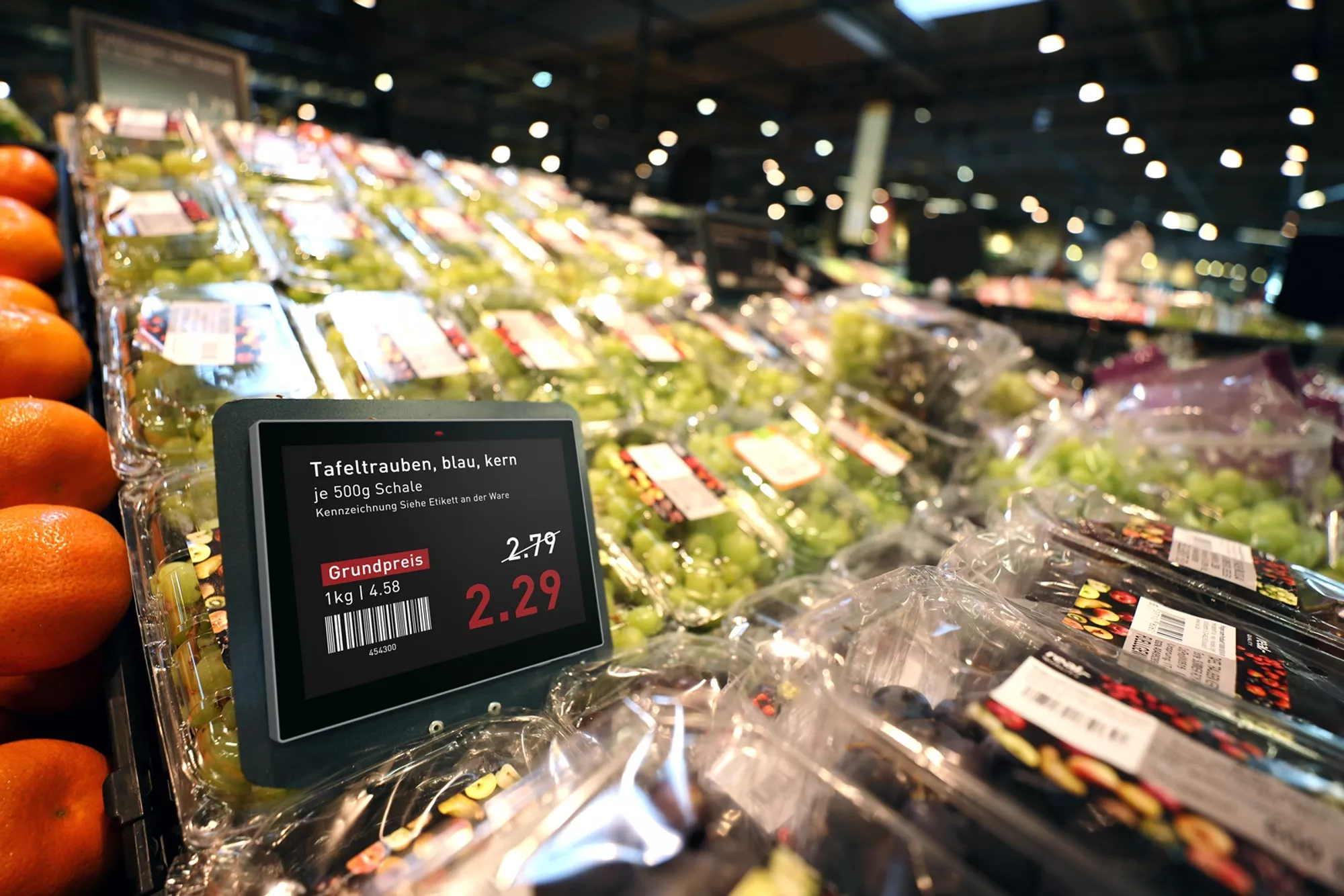
SOLUM Electronic shelf labels make product labeling more interactive for customers. Aside from the fact that they're easier for customers to read, customers can flip up to 7 pages so that they can see more information about your product.
The latest line-up of ESL by SOLUM is now empowered by the all-new Newton system, which makes our digital labels capable of offering the following features:
If you want to switch to our electronic shelf tags, our ESL experts are always available to discuss our products and services' capabilities.
Contact us today to know how our ESL solutions can cater to your business needs.
- Ten years of battery life
- 8-10x faster update speed
- Up to 7 pages of information display
- 7 LED colors
- Two programmable buttons
- NFC capability
- IP67
- Customizable design